
Flood Insurance 101: What a Standard Homeowners Policy Doesn't Cover
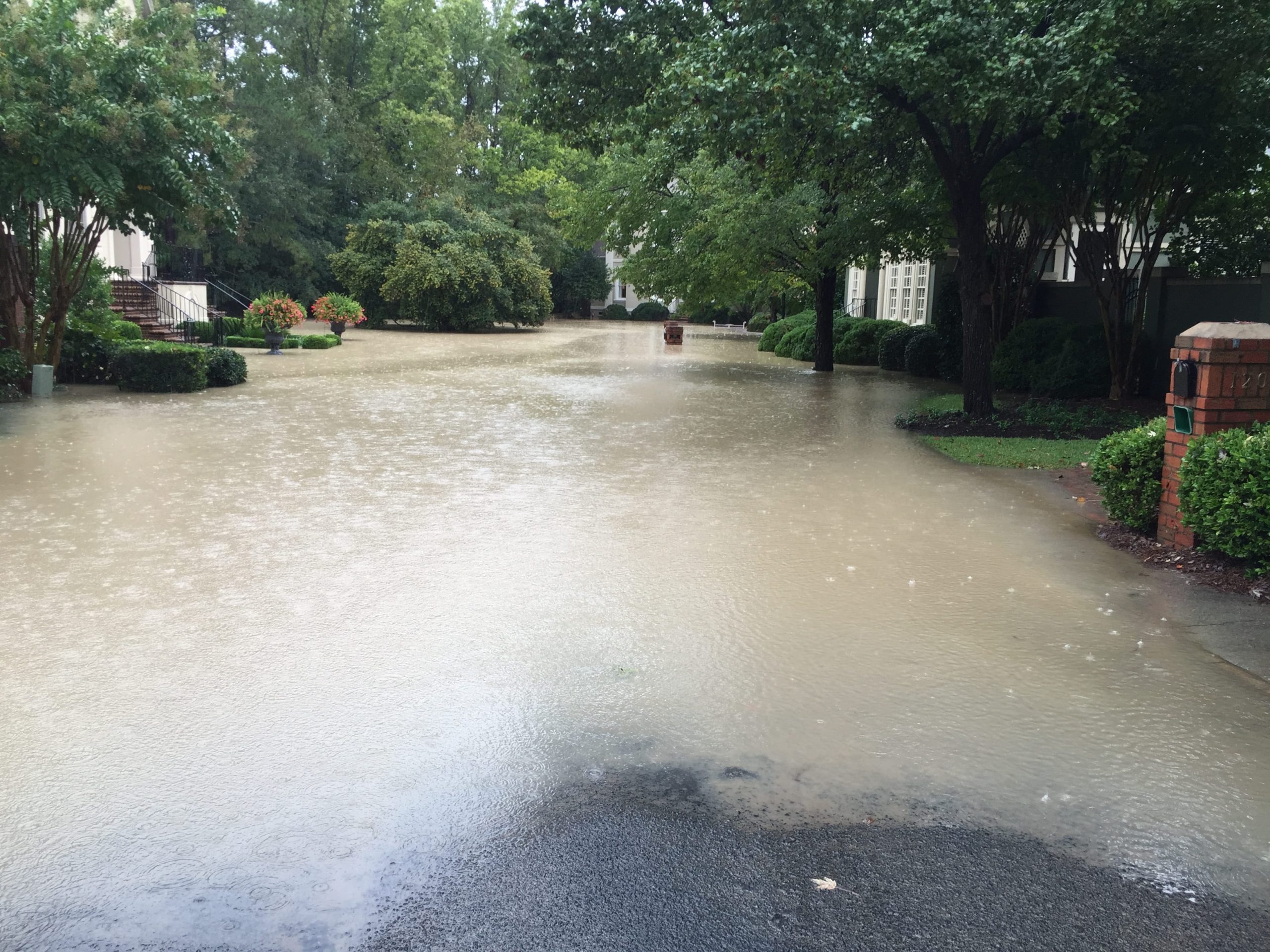
When you buy homeowners insurance, it's easy to assume your home is protected from just about anything Mother Nature can throw at it. But there's one major risk that surprises many homeowners:
Standard homeowners’ insurance typically does not cover flood damage.
From hurricanes and tropical storms to heavy thunderstorms and overwhelmed drainage systems, flooding can happen in communities across the state — not just along the coast.
Understanding what your homeowner’s policy covers, what it doesn't, and when you may want to consider separate flood insurance in South Carolina can help you better protect your home and finances.
Does Homeowners Insurance Cover Flood Damage?
Generally, no. A standard homeowners insurance policy typically excludes flood damage. If rising water enters your home and damages your flooring, walls, furniture, appliances, or other belongings, your homeowner’s policy may not cover those losses.
That's where a separate flood insurance policy comes in.
One reason this can be confusing is that homeowner’s insurance may cover certain types of water damage while excluding others. The source of the water can significantly affect whether damage is covered.
What's the Difference Between Water Damage and Flood Damage?
Not all water damage is considered flooding.
For example, your homeowner’s insurance may cover sudden and accidental water damage from certain events inside your home, depending on your specific policy.
Flooding generally involves water accumulating on normally dry land and affecting multiple properties or a specified area.
Some common causes can include:
- Heavy or prolonged rainfall
- Overflowing rivers, streams, or other waterways
- Tropical storms and hurricanes
- Rapid accumulation of surface water
- Stormwater and drainage problems
- Coastal storm surge
"I'm Not in a Flood Zone. Do I Really Need Flood Insurance?"
This is one of the most common questions homeowners ask.
The important thing to understand is that every property has some level of flood risk. A home doesn't necessarily have to sit next to the ocean, a lake, or a river to experience flooding.
South Carolina has experienced significant flooding caused by hurricanes, tropical systems, and extreme rainfall. Even here in the Midlands, heavy rain can overwhelm drainage systems, raise creeks and waterways, and flood areas homeowners may not traditionally think of as high-risk.
Flood maps help you understand risk, but being outside a high-risk flood area doesn't mean flooding is impossible.
Flooding Isn't Just a Coastal South Carolina Problem
When people think about flood insurance in South Carolina, they may immediately picture homes in Charleston, Myrtle Beach, Hilton Head, or other coastal communities.
But inland homeowners need to consider the risk, too.
Communities throughout the Columbia area and South Carolina Midlands can experience flooding from prolonged rainfall, tropical weather systems, overflowing rivers and creeks, and inadequate drainage.
If you're buying or already own a home in Columbia, Lexington, Irmo, Chapin, Blythewood, or surrounding communities, it's worth understanding the property's individual flood risk — even if your lender doesn't require you to purchase flood insurance.
What Does Flood Insurance Cover?
Flood insurance is designed to protect against losses caused by flooding. However, what is covered depends on the type of policy and coverage you purchase.
Flood insurance may provide separate coverage for your home's structure and its contents.
Building Coverage
Depending on your policy, building coverage may help protect things such as:
- The home's foundation and structure
- Electrical and plumbing systems
- HVAC equipment
- Water heaters
- Permanently installed flooring
- Certain built-in appliances and cabinetry
Contents Coverage
Contents coverage may help protect personal belongings inside the home, such as:
- Furniture
- Clothing
- Electronics
- Certain appliances
- Other eligible personal property
What Might Flood Insurance Not Cover?
Just like homeowners’ insurance, flood insurance has limitations and exclusions.
Depending on the policy, coverage may be restricted for certain property kept in basements or other below-ground areas. Landscaping, vehicles, currency, valuable papers, and some exterior property may also be excluded or subject to limitations.
Flood insurance also isn't a substitute for homeowners’ insurance. The two types of coverage protect against different risks.
That's why it's important to look at your overall insurance protection rather than viewing one policy in isolation.
Is Flood Insurance Required in South Carolina?
Flood insurance requirements typically depend on the property's flood risk and your mortgage lender. If you're purchasing a home in a designated high-risk flood area and have a federally backed mortgage, your lender may require flood insurance.
But homeowners who aren't required to carry flood insurance can still choose to purchase it. That's an important distinction: "not required" doesn't mean "not at risk."
If you're considering buying a home, ask about its flood history and flood risk before closing. Knowing that information can help you evaluate both your insurance needs and the true cost of owning the property.
How Much Does Flood Insurance Cost in South Carolina?
There isn't one standard price for flood insurance.
Your premium can depend on several factors related to the property and the coverage you select. These may include the home's location, flood risk, building characteristics, coverage limits, deductible, and other factors.
Instead of assuming flood insurance will be too expensive, get a quote and compare the cost with the financial risk of experiencing an uninsured flood.
Even a relatively small amount of water inside a home can result in significant cleanup and repair costs.
Don't Wait Until a Storm Is Coming
Flood insurance isn't something you should wait to think about until a hurricane appears in the forecast.
Depending on the type of flood insurance you buy, a waiting period may apply before new coverage takes effect. Exceptions can apply in certain circumstances, such as coverage tied to a new mortgage, but homeowners shouldn't assume they can buy a policy right before a storm and be protected.
If you're concerned about your flood risk, explore your options before severe weather threatens South Carolina.
Protect Your South Carolina Home Beyond Standard Homeowners Insurance
Homeowners insurance is an important part of protecting your home, but it doesn't cover every risk.
For South Carolina homeowners, understanding the difference between homeowners’ insurance and flood insurance matters. A conversation with an independent insurance agent can help you identify potential gaps in your coverage and determine whether additional protection makes sense.
Keisler Insurance Group is an independent insurance agency working with more than 20 insurance companies. That lets our team compare coverage options instead of relying on a single carrier.
Whether you're purchasing a new home or reviewing the coverage on a home you've owned for years, we're here to help you understand your options.
Have Questions About Flood Insurance in South Carolina?
Don't wait for the next major storm to find out whether your home has the protection you expected.
Contact Keisler Insurance Group to discuss homeowners and flood insurance options for your South Carolina home.
Call (803) 521-0807 today to request a quote or review your current coverage.
Coverage availability, terms, limits, deductibles, exclusions, and waiting periods vary by policy and insurance provider. Speak with a licensed insurance professional about your specific coverage needs.